Baking Soda for Weight Loss: What’s Really Behind the Viral Water Shot?
Baking soda for weight loss has become one of the strangest wellness trends online: a cheap kitchen ingredient suddenly being discussed alongside celebrity transformations, GLP-1 and expensive appetite-suppressing injections. So what could a simple baking soda water shot possibly have to do with losing weight?
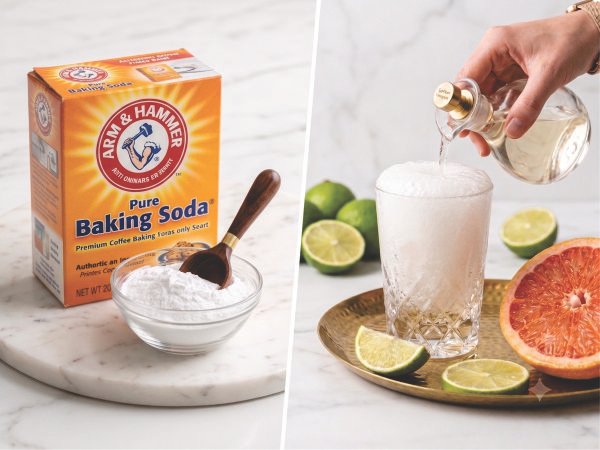
The baking soda weight loss trend sounds almost too simple to be taken seriously: mix an ordinary kitchen ingredient with water, make it part of a morning routine, and connect it to the same appetite conversation surrounding modern weight-loss treatments.
Yet it surfaced at the same time celebrity transformations, appetite-suppressing injections and GLP-1 were becoming impossible to ignore. That leaves one obvious question: what could baking soda possibly have to do with any of it?
Why the Baking Soda Weight Loss Trend Suddenly Exploded
A spoonful of baking soda. A glass of water. A few seconds in the morning. It is exactly the kind of baking soda recipe for weight loss that sounds almost too easy not to investigate.
That sounds more like an old-fashioned home remedy than something you would expect to see beside dramatic weight-loss transformations and expensive prescription treatments.
But the timing matters. Celebrity weight-loss stories had already pushed appetite, weight regain and GLP-1 drugs into everyday conversation. At the same time, obesity and metabolic-health specialists were helping more people understand a frustrating truth: hunger and satiety are influenced by biology, not just discipline.
A $1 Ingredient in a World of Expensive Weight-Loss Treatments
That contrast is hard to miss. Modern weight loss is increasingly associated with prescriptions, injections, ongoing treatment and high monthly costs.
So when a cheap household ingredient appears in the same conversation, it naturally creates a provocative thought:
What if the body already has some of the machinery we are paying so much money to influence?
Maybe It Isn’t Just Willpower
This is where the idea becomes personal.
You finish a meal and still think about what you could eat next. You spend the day negotiating with yourself. You walk past the kitchen and suddenly find yourself standing in front of the refrigerator again.
That constant mental pull toward food is often called food noise.
For years, people tend to interpret that struggle as a character problem: I need more discipline. I need to try harder. Why can’t I just stop thinking about food?
But there is another way to look at it:
That’s Where GLP-1 and GIP Enter the Conversation
Two names have become impossible to ignore in modern weight loss: GLP-1 and GIP.
They are real biological signals involved in the body’s response to food. They help explain why hunger and fullness can feel so powerful — and why appetite signaling has become such an important part of modern weight-management treatment.
That changes the question. Instead of asking only, “How do I force myself to eat less?”, it becomes:
So What Does Baking Soda Have to Do With Weight Loss?
This is where the ordinary kitchen ingredient becomes interesting.
Sodium bicarbonate really does alter acidity. That part is not controversial. The much bigger claim is that changing the digestive environment could meaningfully influence appetite-related signaling — including pathways associated with GLP-1 and GIP — enough to matter for weight loss.
That specific weight-loss mechanism has not been established in human research. So baking soda should not be treated as a proven way to “switch on” weight-loss hormones.
But the question it raises is still compelling: if appetite is influenced by signals coming from the gut, could a broader approach target more than willpower alone?
But Baking Soda Is Only the First Piece
The more elaborate version of the idea does not rely on baking soda alone.
Baking soda comes first. Its role is tied to the digestive environment and the broader question of appetite-related signaling.
Then comes ginger. Concentrated ginger compounds enter around another question: what if appetite-related signals are being broken down too quickly to have much effect?
Then comes berberine. The third piece shifts attention toward metabolic signaling — essentially, how efficiently the body handles and uses energy.
At that point, the “baking soda trick” is no longer just a glass of baking soda water.
It has become a broader three-part concept built around appetite signaling, keeping those signals active and supporting metabolism.
So Why Not Just Mix Baking Soda, Ginger and Berberine at Home?
That is the obvious next question.
Once multiple ingredients are involved, the simplicity starts to disappear. Concentration, purity, proportions and consistency matter much more than they do when someone is casually mixing a kitchen drink.
And even if you bought each ingredient separately, you would still be left measuring, combining and repeating the routine every day.
That’s Where SodaSlim Comes In
Instead of turning the kitchen into a daily experiment, SodaSlim packages the idea into one simple capsule routine.
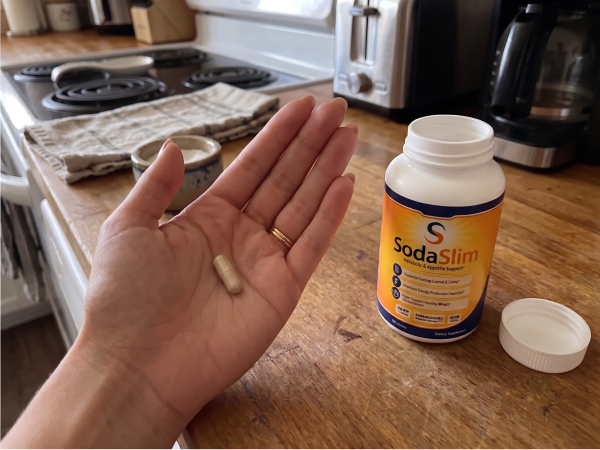
SodaSlim is positioned around the same broader frustrations that make the baking soda trend so compelling in the first place: cravings, low daily energy and the feeling that metabolism is no longer cooperating.
One important distinction: SodaSlim is not literally ordinary baking soda packaged into a capsule. The current product has its own formula. We break down exactly what is inside it — and whether that formula makes sense — in the full SodaSlim review.
Does Baking Soda Actually Work for Weight Loss?
For now, the answer is more limited than the viral claims suggest. Baking soda itself has not been shown to produce meaningful weight loss in human research. The interest comes from the proposed connection between the digestive environment, appetite signaling and the broader biology behind hunger — not from evidence that a glass of baking soda water directly burns body fat.
A Simple Recipe Still Deserves Common Sense
Baking soda adds a meaningful sodium load and can affect stomach acidity. Larger or repeated amounts can cause problems, and it can interfere with some medications. If you use sodium bicarbonate for a medical or digestive reason, follow product directions and speak with a qualified healthcare professional if you have a medical condition or take medication.
The more useful takeaway is not “drink more baking soda.” It is that cravings, appetite, energy and metabolism are interconnected — and that weight loss can feel very different when those pieces are working in your favor.
What the Baking Soda Weight Loss Trend Ultimately Leads To
Baking soda for weight loss is what gets the initial attention. The more interesting conversation is what comes after it: appetite, food noise, metabolic support and whether there is a practical way to make those ideas useful in everyday life.
SodaSlim takes the conversation beyond the DIY baking soda shot. And because the current capsule has its own formula, the next question should not be whether baking soda itself is a miracle weight-loss ingredient.
The better question is:
That is exactly what we looked at in the full review, including the current formula, the before-and-after stories, side effects, current pricing and where it should be purchased.
Baking Soda for Weight Loss: Common Questions
Does baking soda help with weight loss?
There is not good human evidence showing that ordinary baking soda directly causes meaningful fat loss. The proposed mechanism connects changes in the digestive environment with appetite signaling, but a meaningful baking soda weight-loss effect has not been established in human trials.
Why is baking soda for weight loss linked to GLP-1 and GIP?
GLP-1 and GIP are real biological signals involved in the body’s response to food. They help explain why hunger, fullness and food noise may feel biological rather than purely a matter of willpower.
What is the baking soda water shot?
The baking soda water shot is a viral weight-loss trend built around mixing baking soda with water as a simple morning ritual. Online versions often connect the idea to appetite signaling and GLP-1, although baking soda itself has not been proven to cause meaningful weight loss.
What is the baking soda recipe for weight loss?
Most viral versions begin with baking soda and water, but there is no clinically established baking soda recipe for weight loss. More elaborate versions of the trend also discuss ingredients such as ginger and berberine rather than relying on baking soda alone.
What does SodaSlim have to do with the baking soda water shot?
The baking soda shot and SodaSlim are connected by the broader weight-management idea: appetite, energy and metabolism. SodaSlim is the ready-made once-daily supplement, while the baking soda shot is the DIY trend that brought attention to the mechanism.
Does SodaSlim contain baking soda?
No. The current SodaSlim Supplement Facts label does not list sodium bicarbonate. SodaSlim has its own separate formula, which we break down in the full review.
Where can I see the full SodaSlim analysis?
Our full SodaSlim review covers the current formula, benefits, customer before-and-after stories, side effects, pricing, guarantee and official buying channel.